Designing the Perfect Co-Working Space
Explore key design elements for successful co-working spaces.


Design plays a crucial role in the success of a co-working space. A well-thought-out design can enhance productivity and collaboration.

Open vs. Private Spaces
Balancing open areas with private spaces is essential. Open areas encourage collaboration, while private spaces provide quiet for focused work.

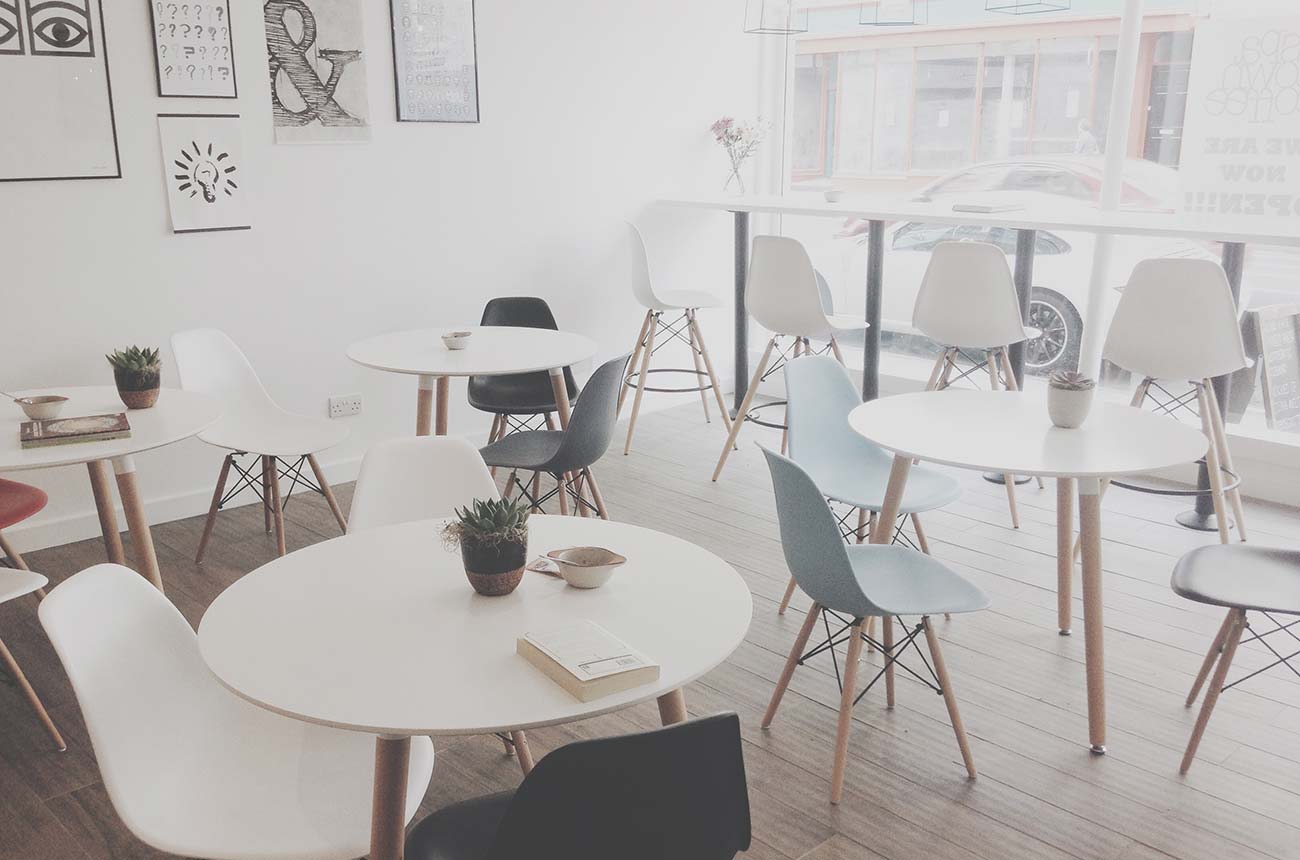


Comfortable Furniture
Investing in ergonomic furniture can significantly improve comfort and productivity for users.





Natural Light
Incorporating natural light into the design can boost mood and energy levels, making the workspace more inviting.
“
Design is not just what it looks like; it's how it works.
”




Technology Integration
Ensure that the space is equipped with the latest technology to support various work styles and needs.




Community Areas
Designate areas for social interaction, such as lounges or kitchens, to foster a sense of community.



Conclusion
Thoughtful design can transform a co-working space into a thriving community.
FAQ
What are the key elements of co-working space design?
Key elements include open areas, comfortable furniture, natural light, and technology integration.
How can I make my co-working space more inviting?
Use warm colors, comfortable seating, and community areas to create an inviting atmosphere.
What role does technology play in co-working spaces?
Technology is essential for connectivity and productivity, enabling seamless collaboration.
How important is community in a co-working space?
Community is vital for networking and collaboration, making it a key focus in design.
Can design impact productivity?
Yes, a well-designed space can enhance focus and efficiency, leading to higher productivity.
Consider these design principles when creating or improving your co-working space.
Resources
For more design tips, check out these resources: