Planning a Team Offsite? Here's What Actually Makes It Productive
Planning a team offsite? Learn how to create productive, engaging offsite meetings that inspire better collaboration, clearer thinking, and stronger team connections.

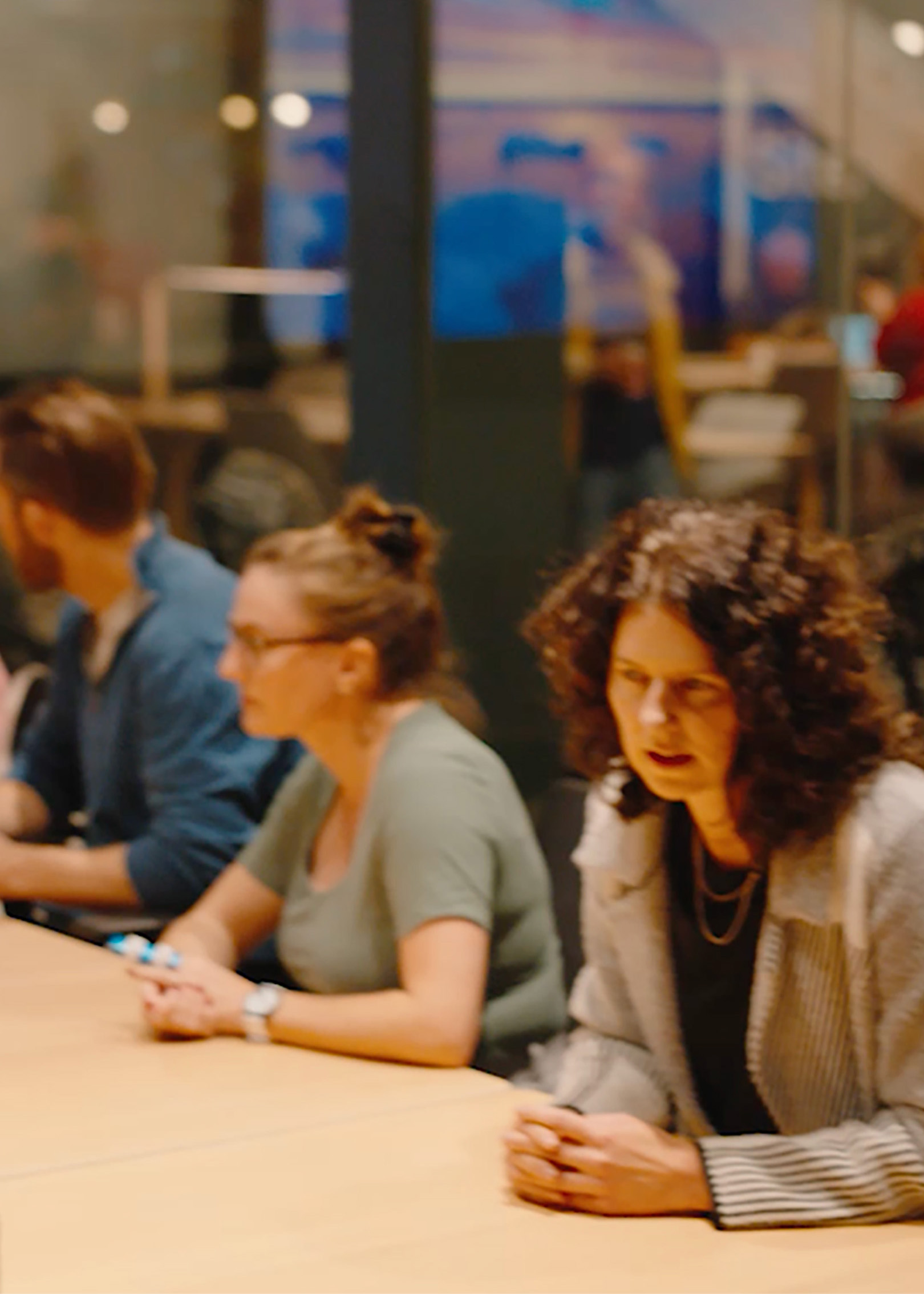
The way we work shapes the conversations we have.
When we're surrounded by notifications, meetings, and competing priorities, it's easy to stay focused on what's urgent instead of what's important.
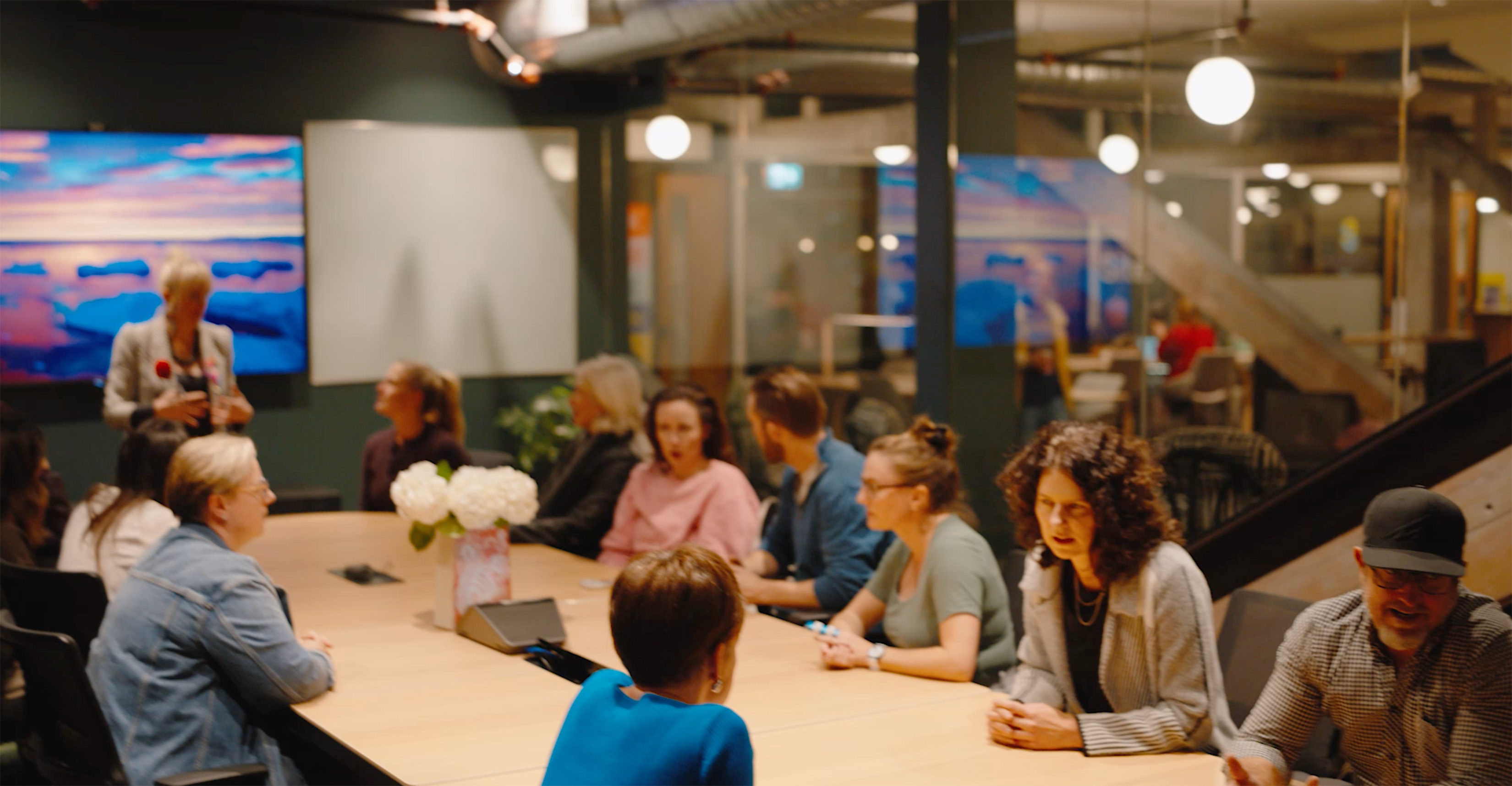
A team offsite offers something different. It creates the space to slow down, think more strategically, reconnect with colleagues, and have the conversations that help move ideas forward.
Whether you're bringing your team together for planning, collaboration, or simply to reconnect, the environment you choose can have a lasting impact on how the day unfolds.
Here's what actually makes a team offsite productive.
Why Team Offsites Matter
Most workdays are full.
There are meetings to join, emails to answer, projects to move forward, and decisions to make. It's easy to spend the day responding to what's in front of you without having the time to step back and look at the bigger picture.
That's where a team offsite can make a real difference.
Stepping away from your usual workspace creates the opportunity to slow down, think more strategically, and spend uninterrupted time on the work that often gets pushed aside.
That might mean:
- Setting goals for the next quarter
- Solving long-standing challenges
- Brainstorming new ideas
- Improving collaboration
- Strengthening relationships
- Celebrating milestones
- Aligning around a shared vision
Sometimes, the most valuable outcome isn't a finished project. It's leaving with greater clarity, stronger connections, and a shared understanding of where the team is headed next.
Start With the Outcome, Not the Agenda
It's easy to start planning an offsite by thinking about the schedule.
Which meeting room should you book? What should the agenda look like? Should you include a team activity?
Before making those decisions, take a step back and ask:
What do we want people to leave with?
Your answer will shape everything that follows.
Maybe the goal is to align on priorities for the next quarter. Maybe it's to solve a challenge that's been sitting on the back burner, reconnect as a team, or create space for new ideas.
For example, your offsite might be focused on:
- Strategic planning
- Quarterly business reviews
- Leadership development
- Team collaboration
- Creative brainstorming
- Product planning
- Company culture
- Welcoming new team members
Once you know the outcome, it's much easier to build a day that supports it.
An offsite shouldn't feel busy for the sake of being busy. Every session should move the team closer to the reason everyone gathered in the first place.
Signs Your Team Might Be Ready for an Offsite
Not every team needs an offsite every month. But when there's an opportunity to step away from the day-to-day, it can create the time and space for more thoughtful conversations and stronger collaboration.
You might be ready if:
- Meetings keep covering the same topics without much progress.
- Your team is busy but rarely has time for strategic thinking.
- Hybrid or remote employees feel disconnected.
- New ideas have slowed down.
- Different departments aren't collaborating as easily as they used to.
- You're preparing for a new quarter, product launch, or period of growth.
- New team members haven't had the chance to build relationships.
- It feels like everyone is working hard, but not always in the same direction.
Sometimes, changing the environment is enough to change the conversation.
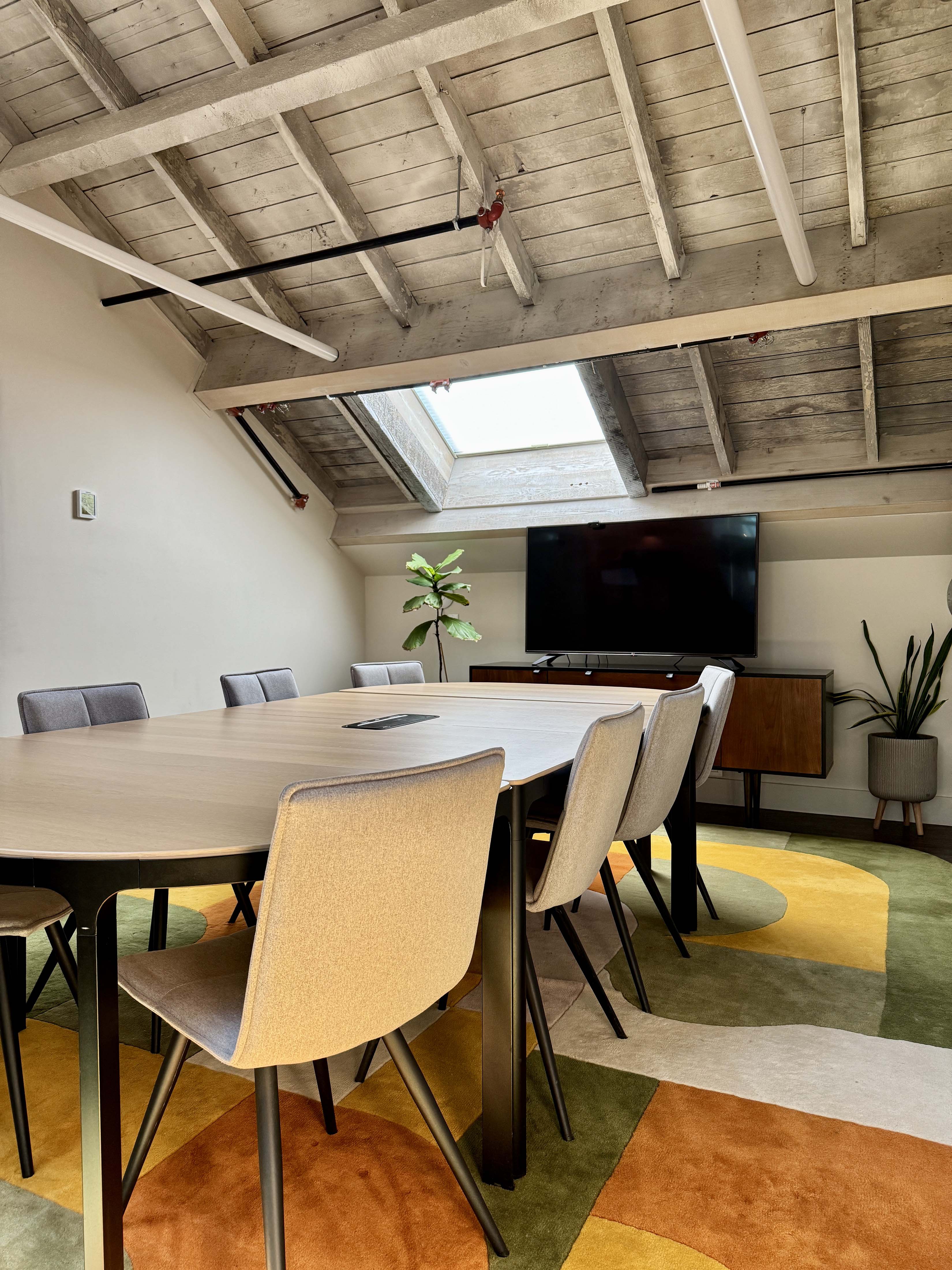
Choose a Space That Supports the Way You Want to Work
The environment matters more than many people realize.
Trying to plan next year's strategy while squeezed into a noisy café isn't ideal. At the same time, a windowless meeting room with fluorescent lighting isn't exactly known for inspiring creative thinking.
The best offsite spaces offer flexibility.
Look for a venue that includes:
- Comfortable meeting rooms
- Breakout spaces for smaller discussions
- Natural light
- Reliable technology
- Fast Wi-Fi
- Great coffee and refreshments
- Quiet places to recharge
- Easy access to food and amenities
At KWENCH, teams often move between boardrooms, collaborative workspaces, lounge areas, and breakout spaces throughout the day. That flexibility helps conversations evolve naturally instead of keeping everyone seated in the same chair for eight hours.
Sometimes your best ideas arrive while grabbing a coffee or continuing a discussion during a walk between sessions.
Leave Room to Think
It's tempting to fill an offsite agenda from start to finish, especially when there's a lot to cover.
But some of the most valuable conversations happen in the moments between sessions, over lunch, or while a team is reflecting on an idea together.
Rather than scheduling every minute, leave room for the day to unfold naturally.
That might include:
- Short breaks between sessions
- Walking meetings
- Time for informal conversations
- Lunch away from the meeting table
- Individual reflection before group discussions
- Flexible discussion periods when conversations naturally go deeper
A little flexibility often leads to the best conversations.
Giving people time to pause, reflect, and connect can be just as valuable as the sessions you've carefully planned.
Collaboration Doesn't Require Trust Falls
Many people hear team building and immediately picture awkward games or activities that feel more forced than fun.
The reality is that meaningful connection usually happens in much simpler ways.
People build trust when they:
- Solve problems together.
- Share ideas openly.
- Learn from one another.
- Celebrate wins.
- Have genuine conversations over coffee or lunch.
- Feel comfortable contributing without pressure.
A productive offsite doesn't need elaborate activities to strengthen relationships.
Creating an environment where people feel heard, included, and respected often has a much greater impact than any scheduled icebreaker.
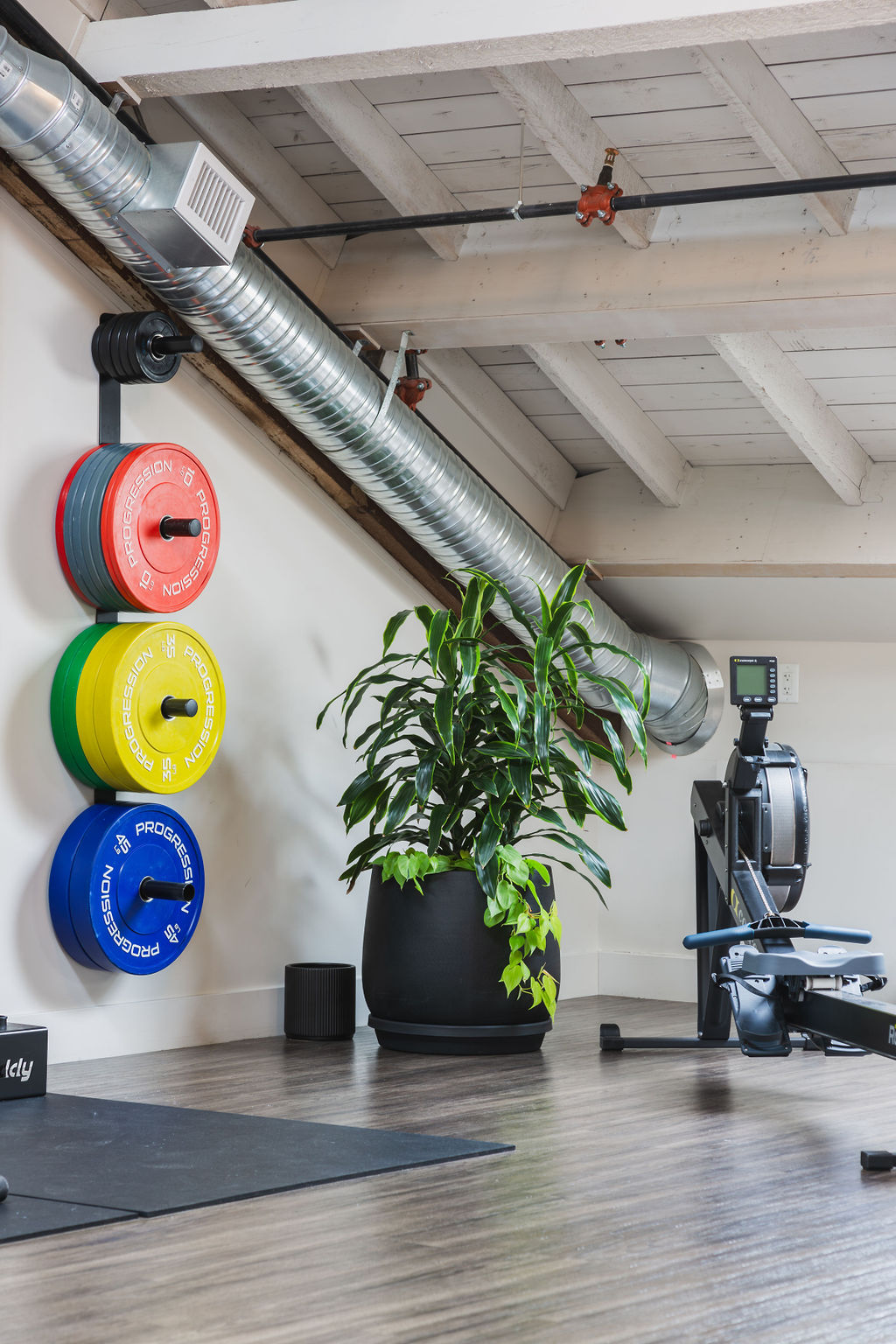
Don't Forget Wellbeing
How people feel throughout the day has a real impact on how they work together.
When teams have opportunities to move, recharge, enjoy natural light, and step away from their screens, they're often better able to focus, collaborate, and think creatively.
Sometimes, it's the simple things that make the biggest difference:
- Comfortable seating
- Fresh air
- Healthy food options
- Space to stretch or go for a walk
- Quiet areas for focused thinking
- Really good coffee
Wellbeing doesn't need to be a separate agenda item.
It can simply be part of how the day is designed.
That's one of the things that makes KWENCH different. Work, wellness, and community are woven into the experience, making it easier for teams to do meaningful work while taking care of the people doing it.
Make Space for Different Working Styles
Every team is made up of people who think, communicate, and contribute in different ways.
Some people enjoy talking through ideas as they come to mind. Others prefer a little time to reflect before sharing their perspective.
A thoughtfully planned offsite creates space for both.
As you're building your agenda, consider including a mix of activities, such as:
- Small group discussions
- Individual brainstorming
- Collaborative workshops
- Open conversations
- Written reflection
- Interactive planning sessions
When people have the opportunity to contribute in ways that feel natural to them, conversations often become richer, ideas become stronger, and more voices are heard.
The Right Venue Supports Better Decisions
The space you choose won't solve every challenge your team is working through.
But it can create the conditions for more thoughtful conversations.
When you don't have to think about unreliable Wi-Fi, finding enough power outlets, or squeezing everyone around a table that's a little too small, it's easier to stay focused on why you're there in the first place.
That's one of the reasons many teams choose to host their offsites at KWENCH.
With flexible meeting rooms, breakout spaces, comfortable amenities, and a welcoming atmosphere, teams can move naturally between focused discussions, collaborative sessions, and informal conversations throughout the day.
It's a space that's designed to support the way people work together, while leaving room for creativity, connection, and fresh thinking.
Planning a Summer Offsite in Victoria?
Book your boardroom at KWENCH and save 25% before August 31.
Before Everyone Heads Home...
A successful offsite doesn't end when the day does.
Before everyone heads back to work, take time to capture the conversations and decisions that will help move ideas forward.
That might include:
- Key decisions
- Action items
- Owners for each task
- Timelines
- Next steps
- Follow-up meeting dates
The conversations you have during an offsite can shape the weeks and months that follow. Taking the time to document next steps helps ensure that the energy, clarity, and momentum from the day continue long after everyone returns to their regular routines.
FAQ
What is a team offsite?
A team offsite is a planned gathering where employees work together outside of their usual office environment. Offsites are often used for strategic planning, collaboration, leadership development, brainstorming, or strengthening team relationships.
What makes a team offsite productive?
A productive team offsite starts with a clear purpose, thoughtful planning, and a space that supports collaboration. The best offsites balance focused work with opportunities for conversation, reflection, and meaningful connection.
What's the difference between a team offsite and team building?
Team building typically focuses on strengthening relationships through shared activities, while a team offsite has broader goals that may include strategic planning, workshops, leadership discussions, or company-wide collaboration. Team building can be one part of a successful offsite, but it isn't the entire purpose.
How often should teams plan an offsite?
It depends on your organization, but many businesses benefit from quarterly or biannual offsites. Leadership teams may also hold additional planning sessions throughout the year when preparing for major initiatives or organizational changes.
Where should you host a team offsite?
Look for a venue that offers flexible meeting spaces, reliable technology, comfortable amenities, breakout areas, and an environment that encourages both productivity and connection. The right setting can have a significant impact on how engaged and focused your team feels throughout the day.
Create Space for Better Conversations
A successful team offsite isn't just about what gets accomplished during the day.
It's about creating the space for people to think differently, have meaningful conversations, and leave feeling more connected to their work and to one another.
When you step away from the day-to-day, it's often easier to see the bigger picture, explore new ideas, and make decisions with greater clarity.
Whether you're planning a leadership retreat, a quarterly planning session, or simply bringing your team together to reconnect, the environment you choose can shape the experience.
If you're looking for a welcoming space in Victoria with flexible meeting rooms, inspiring workspaces, wellness amenities, and a strong sense of community, we'd love to welcome you to KWENCH. Book your boardroom today and save 25% before August 31, or explore our meeting spaces to find the right fit for your next offsite.
We'd love to welcome you to KWENCH and help you create an offsite that supports meaningful conversations, thoughtful collaboration, and stronger connections.