What Is a Third Space? And Why It Matters More Than Ever
What is a third space? Explore why spaces outside home and work matter for connection, community, creativity, and feeling part of something. Learn more now!

Our days are usually anchored by two constants: the sanctuary of home and the productivity of work.
But so much of what makes life feel good happens in between. In the coffee shop where you know you’ll run into someone you know. The library where you can settle in for an afternoon. The gym where a quick workout regularly turns into a conversation. The neighbourhood spot you keep coming back to, even when you don’t have much of a reason to be there.
As you likely already know, these are our "third spaces."
They sit outside home and work, giving us somewhere to connect, spend time, and feel part of what’s happening around us. And as the lines between where we live and where we work continue to shift, having somewhere else to go can be pretty valuable.
So, What Is a Third Space?
The concept behind a third space is commonly associated with sociologist Ray Oldenburg, who originally used the term “third place” to describe informal gathering spaces outside of home and work.
In simple terms, home is your first space, work is your second, and a third space is somewhere you choose to spend time outside of both.
Coffee shops, libraries, parks, community centres, neighbourhood pubs, gyms, cultural spaces, and coworking communities can all be third space examples.
What makes them meaningful isn’t necessarily what happens there.
You don’t need an appointment. You don’t always need an agenda. You might meet a friend, get some work done, take a class, have a conversation with someone new, or simply enjoy being somewhere other than home.
Over time, the space becomes familiar. You know the faces and the routines. You might even have a favourite seat you hope no one else has discovered yet.
What Makes Somewhere Feel Like a Third Space?
Not every space outside home and work automatically becomes a third space. The places we keep coming back to tend to have a few things in common.
You Can Show Up Regularly
There’s something nice about walking into a familiar space and already knowing how things work.
Maybe someone knows your name. You recognize a few people across the room. You know where to find what you need, where you like to sit, or what time of day has the energy you’re looking for.
That familiarity builds over time. Eventually, somewhere you visit can start to feel like somewhere you belong.
There’s Room for Unplanned Connection
Not every conversation needs a calendar invite.
Some happen while you’re making coffee. Others start because you recognize someone from last week or a familiar face introduces you to someone new.
Third spaces make room for those interactions.
There’s no expectation that you need to meet everyone in the room or turn every conversation into networking. You’re simply around other people often enough that connection has a chance to happen naturally.
You Actually Want to Spend Time There
The physical space matters, too.
Natural light. Comfortable places to sit. Room to move around. A bit of energy when you want it and somewhere quieter when you don’t.
The spaces that become part of our routines are usually the ones where we feel comfortable staying awhile. They give us options depending on what we need that day, whether that’s conversation, focus, movement, or a little time to recharge.
Why Third Spaces Matter
The way many of us work has changed.
Remote and hybrid work have given people more flexibility over where they spend their days. A commute can become a walk around the neighbourhood. Meetings can happen from the kitchen table. Plenty of things that once required leaving home can now happen without going anywhere at all.
There are a lot of good things about that flexibility.
It can also mean fewer of the small interactions that used to happen naturally throughout the day.
A conversation before a meeting. Running into someone while getting coffee. Hearing about an idea you wouldn’t have come across otherwise. Spending time around people who aren’t part of your household or immediate team.
Community spaces give those interactions somewhere to happen.
They offer a change of scenery, introduce us to people outside our usual circles, and give us somewhere to spend time without needing to host, plan an event, or make an appointment.
Sometimes, it’s simply good to have somewhere to go.
Can a Coworking Space Be a Third Space?
It can be, but providing desks and reliable Wi-Fi isn’t enough on its own.
A coworking community starts to feel like a third space when there are reasons to connect with the people and the space beyond opening your laptop and getting through your inbox.
Shared spaces help. So do events, classes, conversations, wellness offerings, and places where people can spend time together without everything being centred around work.
That idea is built into KWENCH as a Coworking & Culture Club.
People come here to work, of course. There are desks, private offices, meeting rooms, and plenty of places to settle in and focus.
But work is only part of what happens here.
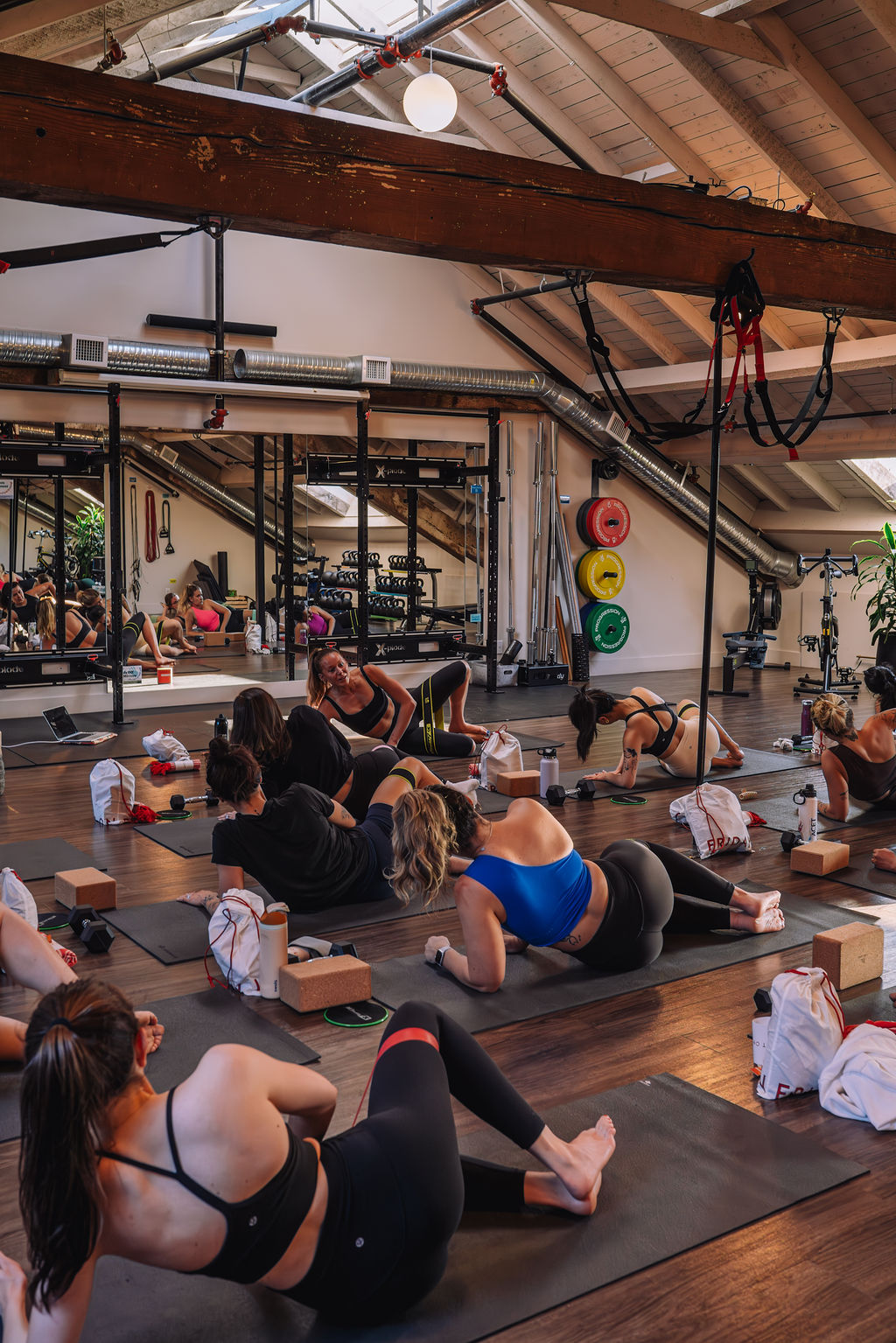
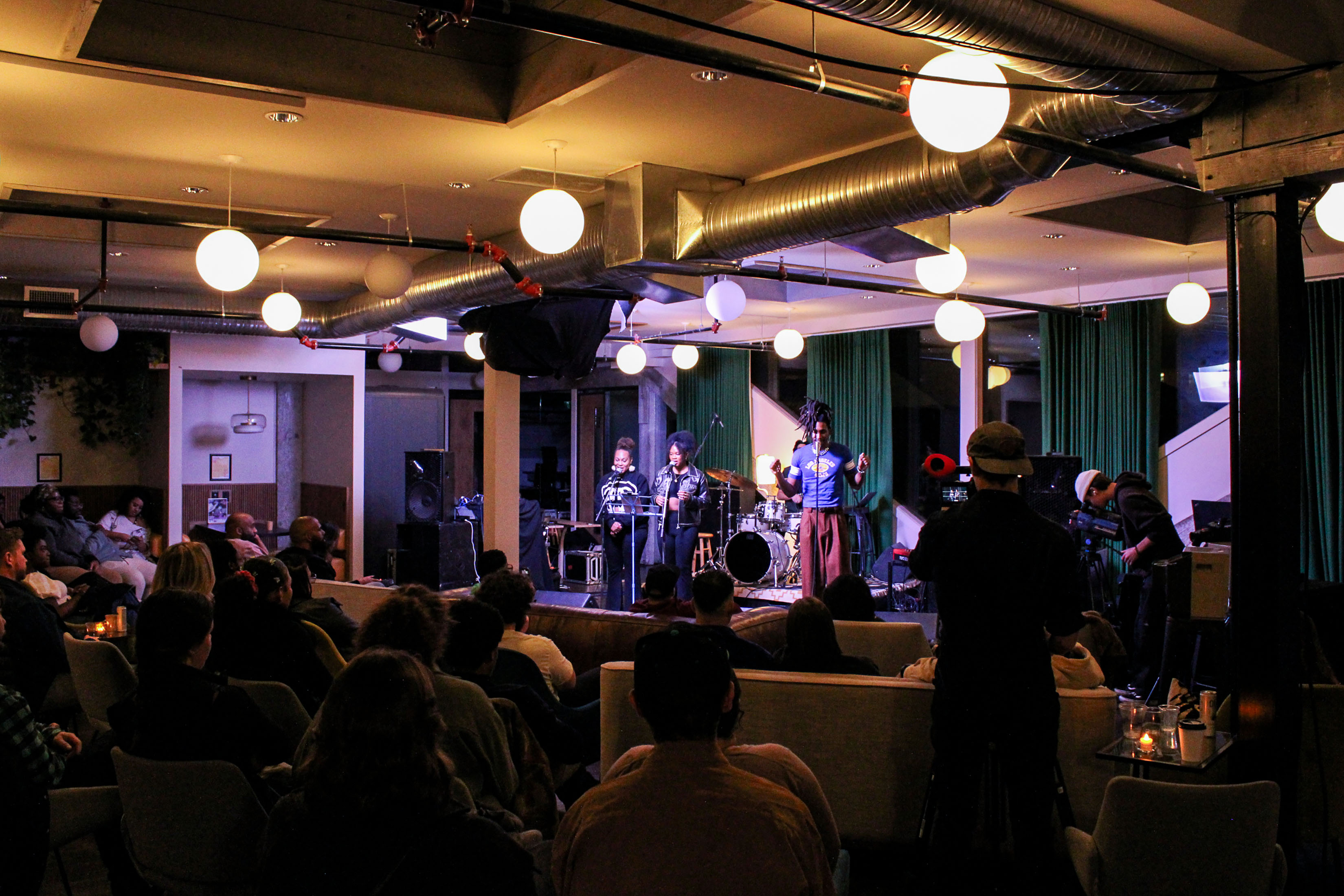
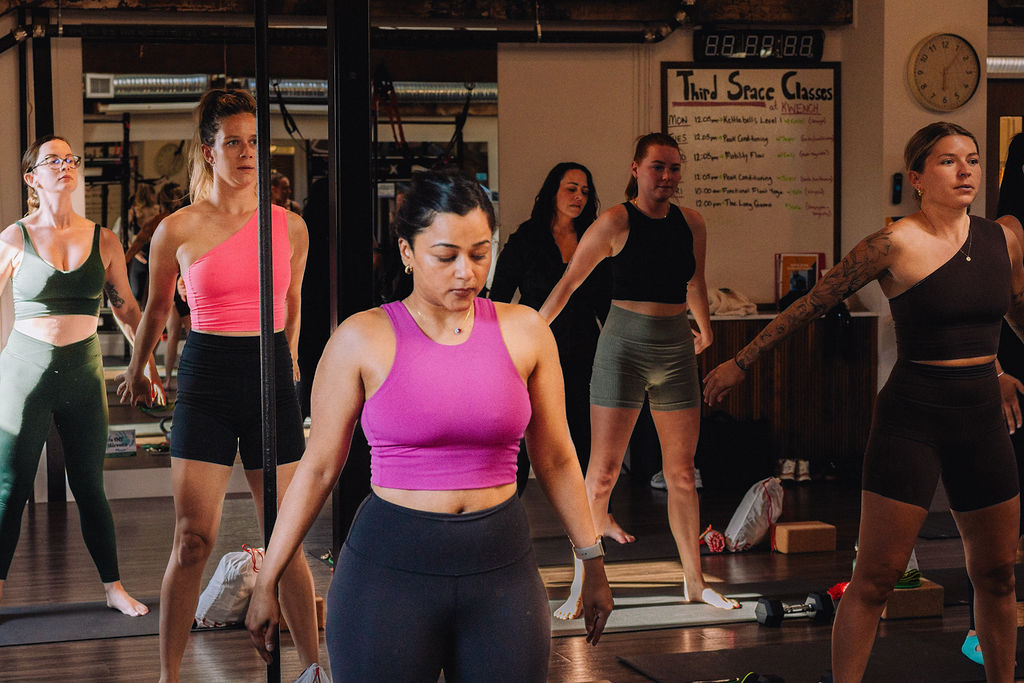
People also come to move their bodies, attend events, share meals, learn something new, catch up with other members, or take a break from their screens.
Some days you might arrive knowing exactly what you need to accomplish. Other days, a conversation or introduction you weren’t expecting becomes part of the day too.
Bringing work, wellness, culture, and community under one roof gives those different parts of life more opportunities to cross paths.
Finding Your Own Third Space
A third space is personal.
A place one person could happily spend an entire Saturday might not feel right to someone else.
Think about the places you already return to.
Where do you recognize familiar faces? Where are you comfortable showing up on your own? Is there somewhere you regularly meet people outside your usual circle? Where can you spend some time without feeling like you need to rush off?
The right third space doesn’t need to be the newest place in town or the one everyone else is talking about.
It just needs to be somewhere you genuinely want to come back to.
FAQ
What is a third space?
A third space is a gathering space outside of home and work where people can spend time, connect with others, and become part of a community. It might be somewhere you visit socially, somewhere you work or learn, or simply a familiar place you enjoy returning to.
What are some examples of third spaces?
Third spaces can include coffee shops, libraries, parks, community centres, neighbourhood gathering spots, gyms, cultural spaces, and some coworking spaces. The common thread is that people feel comfortable spending time there and returning regularly.
Why are third spaces important?
Third spaces create opportunities for connection outside of home and work. They can bring more variety into everyday routines, make it easier to meet and interact with others, and help people feel more connected to their local community.
Can a coworking space be a third space?
Yes. A coworking space can become a third space when it offers more than somewhere to work. Shared spaces, community programming, events, wellness activities, and opportunities for natural interaction can all help turn a workspace into somewhere people genuinely want to spend time.
More Than a Place to Work
You might come to KWENCH because you need somewhere to focus for the day. Maybe you’re here for a meeting, an event, a workout, or because working from home has started to feel like a little too much time at home.
Whatever brings you through the door, it doesn’t have to be the only reason you stay.
KWENCH makes room for work, wellness, culture, and community - along with the conversations and connections that happen somewhere in between.
Come experience the Club for yourself. Explore KWENCH or book a tour and see what it feels like to make it part of your routine.