The Hidden Cost of Working Alone
Explore the hidden costs of working alone, from isolation to lost connection, and how a coworking community in Victoria can support wellbeing and work.


Working from home has its advantages. You can create your own routine, skip the commute, and settle into your day in a way that feels comfortable. For freelancers, remote employees, and business owners, that flexibility can make a meaningful difference.
But working alone can also mean missing some of the smaller things that make a workday feel good.
A conversation over coffee. A familiar face when you walk through the door. Someone to share an idea with, or simply the feeling of being around other people as you go about your day.
These moments might seem insignificant, but over time, their absence can become noticeable.
As remote and flexible work continue to shape how we spend our days, it's worth considering what we gain from working independently, what we might be missing, and how to find a balance that feels right.
Working Alone Has Its Benefits, But There Are Trade-Offs
There are plenty of reasons people enjoy working independently.
You can often structure your day around your most productive hours, create an environment that suits your preferences, and spend less time travelling between home and the office.
For some, the quiet is exactly what they need to concentrate.
But even when the arrangement works well, there can be trade-offs.
One of the less obvious working from home disadvantages is how easily the day can become repetitive. You move from one meeting to another, take lunch at your desk, and realize you've barely spoken to anyone outside of a video call.
The boundaries between work and home can also become less distinct. When your workspace is always nearby, stepping away at the end of the day isn't necessarily as simple as closing your laptop.
None of this means working from home is inherently a problem. Some people genuinely thrive in that environment.
It's simply worth noticing whether your current routine gives you everything you need, beyond the ability to get your work done.

The Quiet Impact of Working Without Everyday Connection
When we think about workplace relationships, we often focus on collaboration, team meetings, or professional networking.
But much of our everyday connection happens outside those more structured moments.
It's the conversation before a meeting starts. The familiar person you see while making coffee. The quick exchange with someone who happens to be working nearby.
These interactions don't need to be particularly meaningful on their own. Their value often comes from the familiarity they create over time.
When you work entirely from home, those moments can become less frequent.
You might have a full calendar of online meetings and still feel disconnected from the people around you. Digital communication keeps us in touch, but it doesn't always replace the experience of sharing a physical environment.
The relationship between work from home mental health and social connection is worth paying attention to, particularly for people who spend much of their day working alone.
Everyone's needs are different. Some people prefer quiet and limited interaction, while others feel more energized when they're around people.
The important part is recognizing what supports your own sense of wellbeing.
What We Miss When We Work in Isolation
The hidden costs of working independently aren't always financial or immediately obvious.
Sometimes they show up in the small experiences that are harder to recreate when you're on your own.
Fresh Perspectives
When you're surrounded by people doing different kinds of work, you're naturally exposed to ideas and perspectives outside your usual routine.
A casual conversation might introduce you to a new way of approaching something, a local business you hadn't heard of, or a perspective you wouldn't have encountered otherwise.
Not every conversation needs to lead somewhere. Sometimes it's simply refreshing to hear what someone else is thinking about.
Spontaneous Collaboration
Working remotely doesn't prevent collaboration, but it often means those interactions need to be scheduled.
In a shared environment, conversations can happen more naturally.
You might meet someone whose work complements your own, discover a shared interest, or find yourself talking through an idea that has been sitting in the back of your mind.
Those opportunities are difficult to plan, which is part of what makes them valuable.
Motivation and Routine
Having somewhere to go can provide a helpful sense of structure.
Getting dressed, leaving home, and settling into a workspace can create a clearer beginning and end to the workday.
For some people, simply being around others who are focused on their own work makes it easier to settle into a productive rhythm.
It isn't about being watched or feeling pressure to accomplish more. It's about finding an environment that supports how you naturally work best.
A Sense of Belonging
Perhaps the most easily overlooked benefit of a shared workplace is familiarity.
Recognizing people. Having somewhere you regularly return to. Feeling comfortable enough to say hello, join a conversation, or quietly get on with your day.
That sense of belonging doesn't develop overnight.
It comes from showing up, spending time around others, and gradually becoming part of a coworking community.
We explored this idea further in our article, What Is a Third Space? And Why It Matters More Than Ever, which looks at why spaces outside our homes and traditional workplaces matter for connection and community.
How to Avoid Loneliness When You Work Entirely From Home
If you enjoy remote work but sometimes miss being around other people, you don't necessarily need to change your entire working arrangement.
Small adjustments can help create more opportunities for connection throughout the week.
Make time for in-person conversations. A coffee with a friend, lunch with a colleague, or a regular catch-up with another remote worker can add something meaningful to your routine.
Change your environment occasionally. Spending a day somewhere other than home can offer a different perspective and a welcome change of scenery.
Find a local community. This might be a professional group, a creative workshop, a fitness class, or a neighbourhood gathering. Shared interests can make meeting people feel more natural.
Create a reason to leave the house. A walk before work, an afternoon errand, or a regular activity can help create a clearer distinction between your working hours and personal time.
Try coworking a few days each month. You don't have to give up the flexibility of working from home to enjoy the company of others. Even occasional time in a shared workspace can introduce more variety into your week.
The goal isn't to fill every spare moment with social activity.
It's to find a rhythm that offers enough connection, independence, and personal space for you.
The Benefits of Coworking Spaces Go Beyond Having a Desk
When people first consider coworking, they're often looking for something practical.
A reliable place to work. Somewhere to take meetings. A change from the home office.
Those are all good reasons.
But some of the benefits of coworking spaces are less about the physical workspace and more about what happens around it.
A coworking community brings together people who might otherwise spend their working days separately. Freelancers, remote employees, entrepreneurs, consultants, and small teams can share an environment while continuing to work independently.
You can focus on your own projects without feeling completely removed from the world around you.
There might be someone to chat with during a break, an event that introduces you to a new interest, or simply a few familiar faces that make the space feel welcoming.
The practical side matters too.
Access to phone booths, meeting rooms, shared amenities, and different areas for focused work can make it easier to move through the day without everything happening at the same desk.
At KWENCH, our hotdesking memberships offer flexible access to shared workspaces, with options for people who want to come in a few days each month or make the Club a more regular part of their routine.
If you're exploring coworking for the first time, our guide to choosing the right coworking space in Victoria covers what to consider, from atmosphere and amenities to flexibility and community.
Finding Connection Through Coworking in Victoria
Victoria is home to people working in all kinds of ways.
Some run their own businesses. Others work remotely for companies elsewhere in Canada or around the world. Some are building creative projects, consulting, or working as part of small teams.
While their work may look different, many share an interest in finding a comfortable place to focus, connect, and feel part of the local community.
For people exploring coworking spaces in Victoria, the experience can be about much more than finding somewhere to open a laptop.
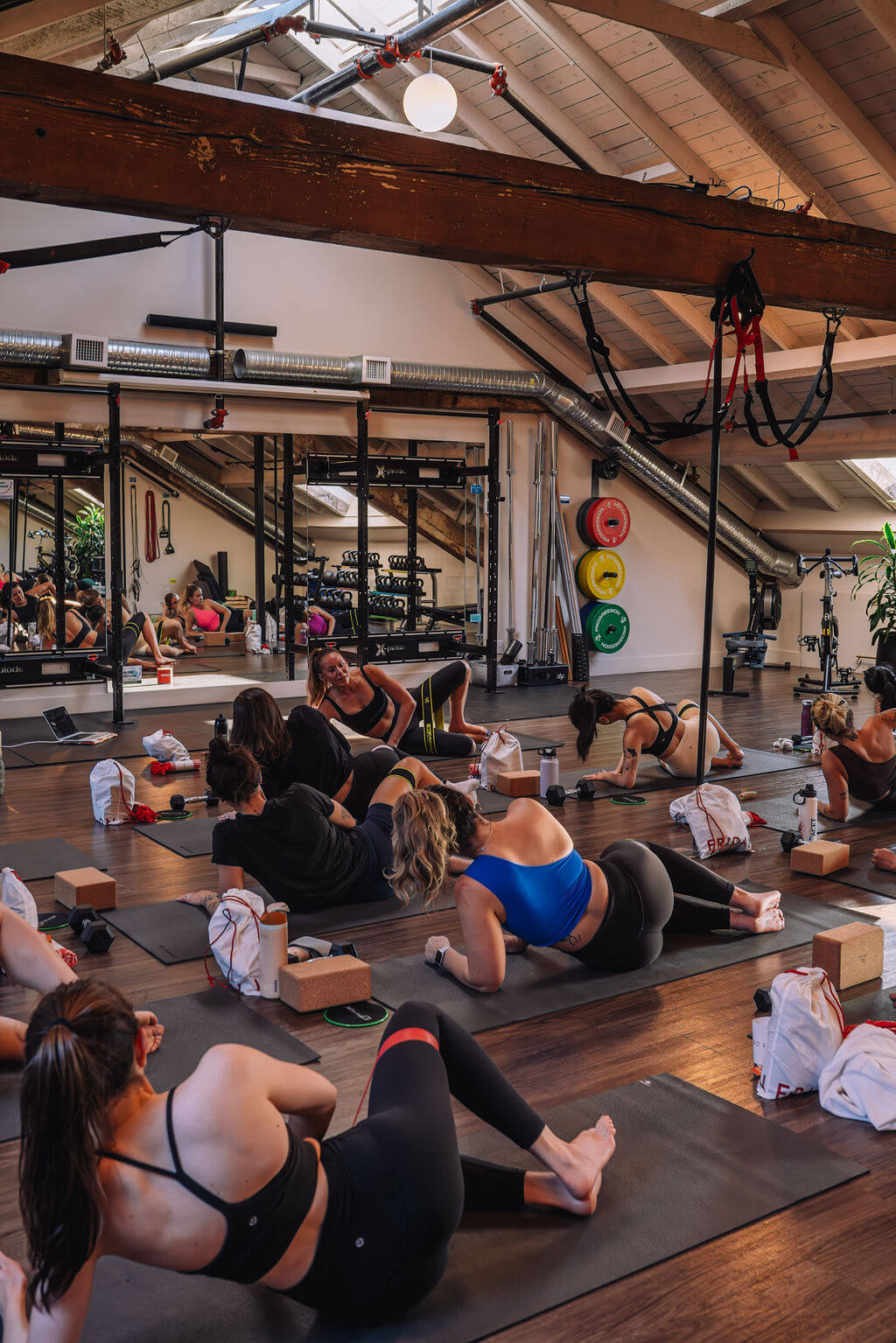
At KWENCH, we've brought together coworking, wellness, creativity, and community under one roof.
Members can spend their day in a shared workspace, take a private call, step away for a workout, or find somewhere quieter to recharge.
There are also opportunities to connect beyond the working day itself.
Our events and community gatherings bring people together through wellness classes, creative activities, conversations, and shared experiences.
Some people come along regularly. Others prefer to focus on their work and join in when something catches their interest.
There's room for both.
The idea isn't that everyone needs to be social all the time.
It's that having opportunities for connection can make the workday feel a little more balanced, especially when so much of modern work happens independently.
FAQ
Can working alone affect your mental health?
Working independently isn't inherently harmful, and many people enjoy the flexibility and quiet it provides. However, limited social interaction can contribute to feelings of loneliness or disconnection for some people. Finding opportunities for regular connection, movement, and time away from work can help support a more balanced routine.
How can I feel less isolated when working from home?
Consider making time for in-person conversations, changing your work environment occasionally, joining local activities, or trying a coworking space. You don't necessarily need to change how you work every day. Small, regular opportunities to connect with others can make a difference.
What are the benefits of joining a coworking community?
A coworking community offers access to a professional workspace while creating opportunities to meet and interact with other people. Depending on the space, members may also have access to meeting rooms, shared amenities, wellness activities, and community events. It can be a way to maintain independence while feeling more connected to the people and community around you.
Finding a Balance That Works for You
Working alone doesn't have to mean feeling isolated.
For some people, home is the ideal place to focus. Others prefer the energy of a shared workspace. Many find that a combination of both offers the flexibility and connection they're looking for.
There's no single arrangement that works for everyone.
What matters is having the freedom to create a workday that supports not only what you need to accomplish, but how you want to feel while doing it.
Sometimes that means a quiet morning at home. Other times, it means being somewhere with a little more life around you.
At KWENCH, we believe a good workday can include focus, movement, creativity, and meaningful connection, with space to experience each in your own way.
If you're looking for a little more connection in your workday, explore KWENCH's coworking memberships and find a way of working that feels right for you.